3 Instagram Ads Reports That Simplify Your Marketing

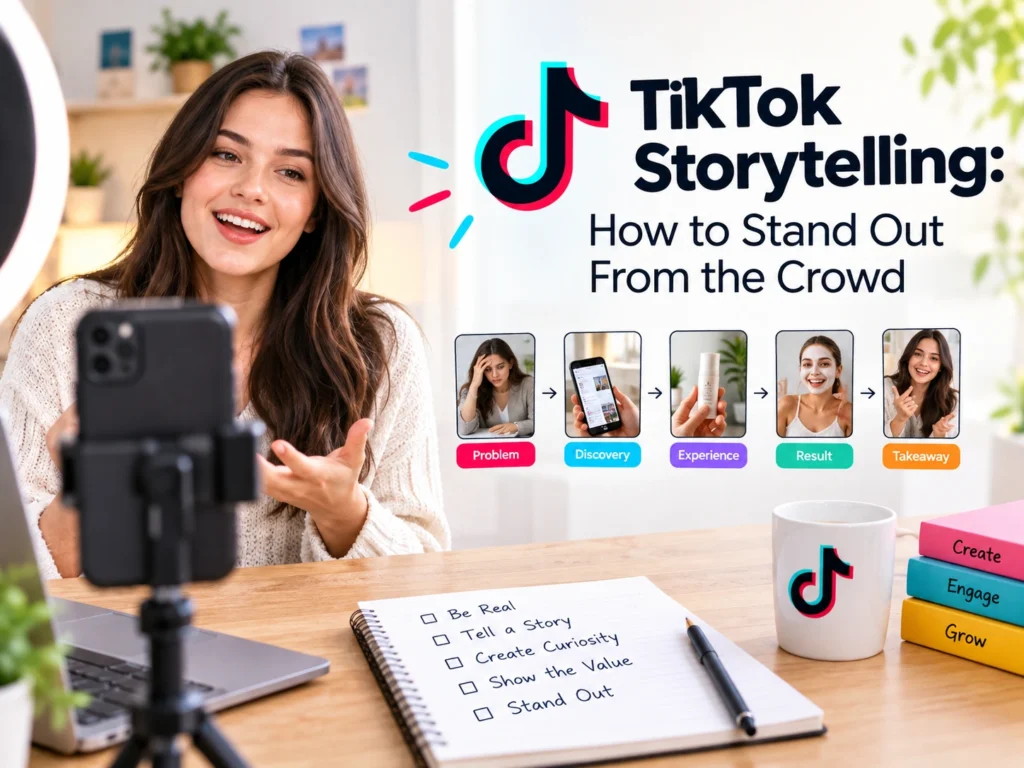
TikTok has changed the way people discover brands, products, and ideas online. With millions of videos competing for attention, simply posting regularly is not always enough. Brands need content that makes people stop, watch, and remember.
One of the most effective ways to do this is through TikTok storytelling.
Storytelling gives your videos a purpose. Instead of simply showing a product or promoting a service, you create a short experience that connects with your audience.
What Is TikTok Storytelling?
TikTok storytelling is the use of a beginning, middle, and end to communicate an idea through short-form video.
A story can be very simple. It might show:
The goal is to make the viewer feel involved in the video rather than simply watching an advertisement.
Why Storytelling Works on TikTok
People naturally respond to stories because stories create curiosity and emotion.
A product-focused video might say what a product does. A storytelling video can show why someone needed it and how it became useful in their life.
For example, instead of saying:
“This skincare product provides hydration.”
A story could show someone dealing with dry skin, discovering the product, trying it as part of their routine, and sharing how it fits into their daily life.
The second approach gives viewers something to follow.
Start With a Situation Your Audience Understands
Good TikTok stories often begin with something familiar.
Think about the questions, problems, or experiences your audience already has.
For example:
These situations create curiosity because viewers want to know what happened next.
Create a Clear Story Structure
You don’t need a complicated script to tell a good TikTok story.
A simple structure can be:
1. The Problem
Introduce the situation or challenge.
2. The Discovery
Show what happened next. This could be finding a product, service, idea, or solution.
3. The Experience
Show the process. Let viewers see what happened rather than simply telling them.
4. The Result
Explain or demonstrate what changed.
5. The Takeaway
End with a useful thought, lesson, or reason for viewers to continue exploring the topic.
This structure can work for businesses in many industries.
Make Your Story Feel Real
TikTok users often respond well to content that feels natural and relatable.
That doesn’t mean every video needs to look unplanned. It means the story should feel authentic rather than overly promotional.
Consider using:
A simple phone-recorded video can sometimes communicate a story more effectively than a highly polished advertisement.
Use Visuals to Move the Story Forward
TikTok is a visual platform, so your story should not depend entirely on spoken words.
Use different shots to keep the video moving.
For example, a business story could include:
Scene 1: The problem
Scene 2: The person searching for a solution
Scene 3: The product or service being introduced
Scene 4: The product being used
Scene 5: The final result
Changing the visuals helps maintain attention and makes the story easier to follow.
Keep the Viewer Curious
A strong story gives viewers a reason to continue watching.
Instead of explaining everything immediately, reveal information gradually.
For example, a video could begin with a situation and then show the solution later. The viewer naturally wants to find out what happened.
This can be especially useful for:
The key is to create genuine curiosity without making promises that the video cannot deliver.
Use Emotion Carefully
Stories can create different emotions, including excitement, humor, surprise, inspiration, or empathy.
You don’t need dramatic storytelling for every video.
A small everyday experience can be enough.
A restaurant could tell the story of how a signature dish was created. A clothing brand could show the process behind a new collection. A marketing agency could share how a campaign developed from an initial idea into a finished project.
These stories make businesses feel more human.
Let Your Brand Become Part of the Story
Your brand doesn’t always need to be the main character.
Instead, let the story demonstrate what your brand represents.
For example, a fitness brand could focus on someone’s journey toward becoming more active. A food brand could show a busy family’s attempt to prepare an easy dinner. A technology company could show how a small business solved an everyday problem.
The product or service becomes part of the solution instead of interrupting the story.
Experiment With Different Story Formats
There isn’t one correct way to tell a story on TikTok.
Try different formats and see how your audience responds.
Customer Story
Show how a customer discovered and used your product or service.
Behind the Scenes
Show what happens before the final product reaches the customer.
Educational Story
Teach something through a real example or experience.
Founder Story
Share how the business started and what inspired the idea.
Problem and Solution
Show a common problem and explain how it can be solved.
Day in the Life
Give viewers a look at a typical day inside your business or industry.
Study Your TikTok Analytics
Storytelling is creative, but analytics can help you understand what your audience responds to.
Pay attention to metrics such as:
If viewers consistently leave early, your opening or story structure may need improvement.
If certain topics receive more shares or comments, they may be worth exploring in future videos.
Don’t Try to Copy Every Viral Trend
Trends can help increase visibility, but following every trend isn’t a complete content strategy.
A trend should make sense for your brand and your audience.
Instead of copying another creator exactly, think about how you can use a popular format to tell your own story.
Your unique experiences, customers, products, and perspective are what can make your content different.
Final Thoughts
Standing out on TikTok isn’t only about creating more videos. It’s about creating videos that give people a reason to watch.
TikTok storytelling can help businesses turn products, services, experiences, and everyday moments into engaging content.
Start with a relatable situation, build curiosity, show the experience, and give viewers a clear ending. Keep experimenting with different formats and use your analytics to understand what works for your audience.
When your content tells a story instead of simply delivering a promotion, your brand has more opportunities to become memorable.
Have a question or need a digital solution for your business? Get in touch with our team and let’s discuss how we can help.